Offshore Units Explained: FPSO, FSO, FLNG, FSRU & MOPU – Understanding Their Role in the Offshore Energy Industry

  • Post author:
  • Post category:Blog

The offshore oil and gas industry relies on specialized floating units to produce, process, store, and transport hydrocarbons efficiently. As offshore exploration expands into deeper waters and more remote locations, these floating production and storage facilities have become essential to maintaining operational efficiency while reducing infrastructure costs.


In this guide, we’ll explain the five most common offshore units—FPSO, FSO, FLNG, FSRU, and MOPU—their functions, applications, and how they support offshore energy operations.

What Are Offshore Floating Units?

Offshore floating units are specialized marine structures designed to perform production, processing, storage, regasification, or transportation functions at sea. They enable energy companies to operate in offshore environments where fixed platforms or pipelines may not be practical.

These units are widely used in:


  • Offshore Oil & Gas
  • LNG Projects
  • Deepwater Exploration
  • Petrochemical Operations
  • Marine & Shipping
  • Offshore Wind Support
  • Energy Infrastructure

FPSO – Floating Production, Storage and Offloading

https://images.openai.com/static-rsc-4/MMyli7Y94NiIzkEE7RU2SJ1V7o2pxR7_d56hAJ6eS-TeihFNAJ1wrP8wIM8ruy2stmBc10QrTHXLi53luWvE6YJ07acYTtm_NJ4FUvG2lwsYnbAFO3SmaiK0irWYzRB1G2RkUR4YLTPzJmSzZu4My6_YiB2OWuPXjwUZiVlQZNyzot95J6IlVgoVGSv-kIsz?purpose=fullsize
 
 
What is an FPSO?

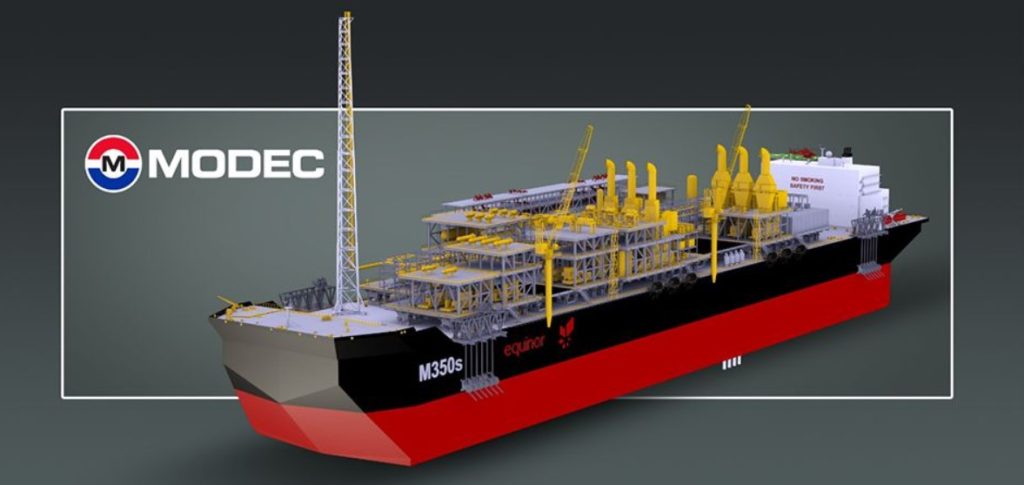
An FPSO (Floating Production, Storage and Offloading) vessel is one of the most common offshore production facilities. It receives hydrocarbons from subsea wells, processes the oil and gas onboard, stores crude oil in its hull, and transfers it to shuttle tankers for transportation.

Key Features

  • Offshore oil and gas production
  • Crude oil processing onboard
  • Large storage capacity
  • Offloading to shuttle tankers
  • Suitable for deepwater operations

Common Applications

  • Deepwater oil fields
  • Remote offshore developments
  • Areas without pipeline infrastructure

Benefits

  • Lower infrastructure costs
  • Mobility between oil fields
  • Faster project development
  • Reduced dependence on pipelines

FSO – Floating Storage and Offloading

What is an FSO?

An FSO (Floating Storage and Offloading) unit primarily serves as a storage facility. Unlike an FPSO, it generally does not process hydrocarbons. Instead, it stores produced crude oil before transferring it to export tankers.

Key Features

  • Large oil storage capacity
  • Offshore oil transfer
  • Lower operating complexity
  • Cost-effective storage solution

Typical Uses

  • Mature offshore fields
  • Oil export terminals
  • Temporary offshore storage

Benefits

  • Reduced transportation delays
  • Flexible offshore storage
  • Lower capital investment

3. FLNG – Floating Liquefied Natural Gas

https://images.openai.com/static-rsc-4/NCo-jJu11wzQWRh82RnjlsY9rqEElp89wsrlnFpqzlOeryc9kka5JnovixKsqGeBINkAumcAinRL3gUahQhKK-7RzVDSYRuTcXu94mkG-rEVTcE1IeT-V98Xc3rerTv1ZoDmcJG7kIIjeqetaVoKOuXj9i7PmGvKtXUGO8iZRi8jkGo9bIRH9qlMsKbnblfZ?purpose=fullsize
 

What is an FLNG?

An FLNG (Floating Liquefied Natural Gas) facility processes natural gas offshore and converts it into liquefied natural gas (LNG) for storage and export.

Instead of transporting gas through long pipelines, FLNG facilities liquefy gas directly at sea, making transportation more economical.

Key Features

  • Offshore gas processing
  • LNG production onboard
  • LNG storage
  • Export to LNG carriers

Applications

  • Remote gas fields
  • Offshore LNG production
  • Floating gas processing plants

Benefits

  • Eliminates long-distance pipelines
  • Commercializes stranded gas reserves
  • Flexible deployment

FSRU – Floating Storage and Regasification Unit


https://images.openai.com/static-rsc-4/n_MALOrj5g4VmTTza5JDGWLDcKHUJdn2P2YXULMhExuBGvLlC--dLFj3ObW9l73J_gsds13FCfIg86cEHTLZAXvAznE-PuPnNh1KE-PjUTAr10jPKkYXfMNrOi9fpisSuYY1IakkQ7mrINosXcGftk9Wd9p1hfPsgBXRdNJwaw0Z_fbybYpKb1QlvOtrJKzZ?purpose=fullsize
 

What is an FSRU?

An FSRU (Floating Storage and Regasification Unit) receives LNG from carriers, stores it, and converts it back into natural gas before supplying it to onshore power plants or gas distribution networks.

Key Features

  • LNG storage
  • Regasification system
  • Offshore gas supply
  • Rapid LNG import solution

Applications

  • LNG import terminals
  • National gas supply
  • Power generation
  • Industrial gas distribution

Benefits

  • Faster deployment than onshore terminals
  • Lower construction costs
  • Flexible relocation
  • Increased energy security

MOPU – Mobile Offshore Production Unit

 
https://images.openai.com/static-rsc-4/-TAn8wlqp48Np_X9_q3pMX4hOs2Ltz9FimfT9e_PizpvdH9jbNRUHJVJ8x8J_30sBEAJbom4nyP0FD47b8Ym2MYPg7ozYdqB13tKqISg9id1x0Iku2ZSCsdRdDaMulINeO4IDplnYViSC0bjd7c5gTa7l_hZKUK44JXGDAX52FFz1lSaIg6ZyFlZH2rMuitO?purpose=fullsize


What is a MOPU?

A MOPU (Mobile Offshore Production Unit) is a movable offshore production facility used for early production, marginal oil fields, and temporary field development.

Unlike permanent offshore platforms, MOPUs can be relocated between offshore locations.

Key Features

  • Mobile production platform
  • Offshore processing
  • Temporary field development
  • Suitable for shallow to medium water depths

Applications

  • Early production systems
  • Marginal oil fields
  • Pilot production
  • Field testing

Benefits

  • Quick deployment
  • Lower investment
  • Operational flexibility
  • Reusable across projects

Why Offshore Units Matter

Floating offshore units have transformed the global energy sector by enabling oil and gas production in locations where conventional infrastructure is not feasible. They help operators:

  • Reduce capital expenditure
  • Increase production efficiency
  • Develop remote offshore fields
  • Improve operational flexibility
  • Accelerate project timelines
  • Lower environmental impact through optimized infrastructure

As offshore exploration continues to expand, these units remain vital assets for ensuring safe, efficient, and cost-effective energy production.


Supporting Offshore Operations with the Right Equipment

Operating offshore requires more than production facilities—it also demands reliable safety equipment, maintenance tools, lifting solutions, hose safety systems, electrical safety products, and engineered solutions to keep personnel safe and operations running efficiently.

Companies supporting offshore sectors provide products for:

  • Hands-Free Safety Solutions
  • Hose Safety Systems
  • Lifting & Rigging Equipment
  • Electrical Safety & Arc Flash Protection
  • PPE and Industrial Safety Products
  • Maintenance, Repair & Operations (MRO)
  • Offshore Reefer Containers
  • Marine and FPSO Support Equipment

Conclusion

Understanding the differences between FPSO, FSO, FLNG, FSRU, and MOPU is essential for professionals working in the offshore energy industry. While each unit serves a unique purpose, they all contribute to improving offshore production efficiency, maximizing resource recovery, and supporting the growing global demand for energy.

Whether you’re involved in offshore oil & gas, LNG infrastructure, marine engineering, or energy procurement, knowing how these floating units operate can help you make better operational and investment decisions.